Loading...
Serving Burley, ID and surrounding areas. (208) 679-8672
Cold floors and climbing heating bills are signs your crawl space is letting heat escape. We insulate it properly for Idaho winters and protect against the moisture that comes with irrigation season.
Crawl space insulation in Burley, ID acts as a thermal barrier between the cold ground and your living areas, keeping heat in your floors during winter and reducing cooling costs in summer - most installation jobs are completed in one to two days.
Cold floors are one of the most common complaints from Burley homeowners during the January and February cold snaps. In many cases, the insulation under the floor joists has sagged away from the wood over the years - it may still be there, but if it is not in contact with the floor above it, it is not doing much. Homes built before 1990 in Burley's established neighborhoods were often insulated to standards well below what is recommended for a cold-climate home today.
There is also a moisture side to crawl space work that is unique to this area. Burley is surrounded by irrigated farmland in the Snake River Plain, and that raises soil moisture levels throughout the growing season. A crawl space that is not properly sealed can pull that moisture up from the ground, which silently damages insulation and framing from below. If you are also dealing with older insulation that needs to come out first, wall insulation is a common companion upgrade once the foundation area is addressed.
If your kitchen or living room floor feels noticeably cold underfoot during Burley's January cold snaps - even with socks on - heat is escaping through your floor into the crawl space below. It is one of the clearest signs that the insulation down there is no longer doing its job.
If your gas or electric bill has climbed over the past few winters without an obvious cause, your crawl space insulation may be failing. Insulation that has sagged, gotten wet, or been disturbed can lose a significant share of its effectiveness without looking obviously damaged from above.
Burley's irrigation season raises soil moisture levels from spring through early fall. If you have ever noticed a damp smell under your home, water droplets on pipes, or white residue on foundation walls, moisture is getting in - and it is likely compromising your insulation and encouraging mold growth.
Rodents and insects are drawn to the warmth of crawl spaces and frequently nest in or damage insulation. If you have had pest control treat the space, it is worth having the insulation inspected afterward. Damaged or contaminated material needs to be removed and replaced - not just treated.
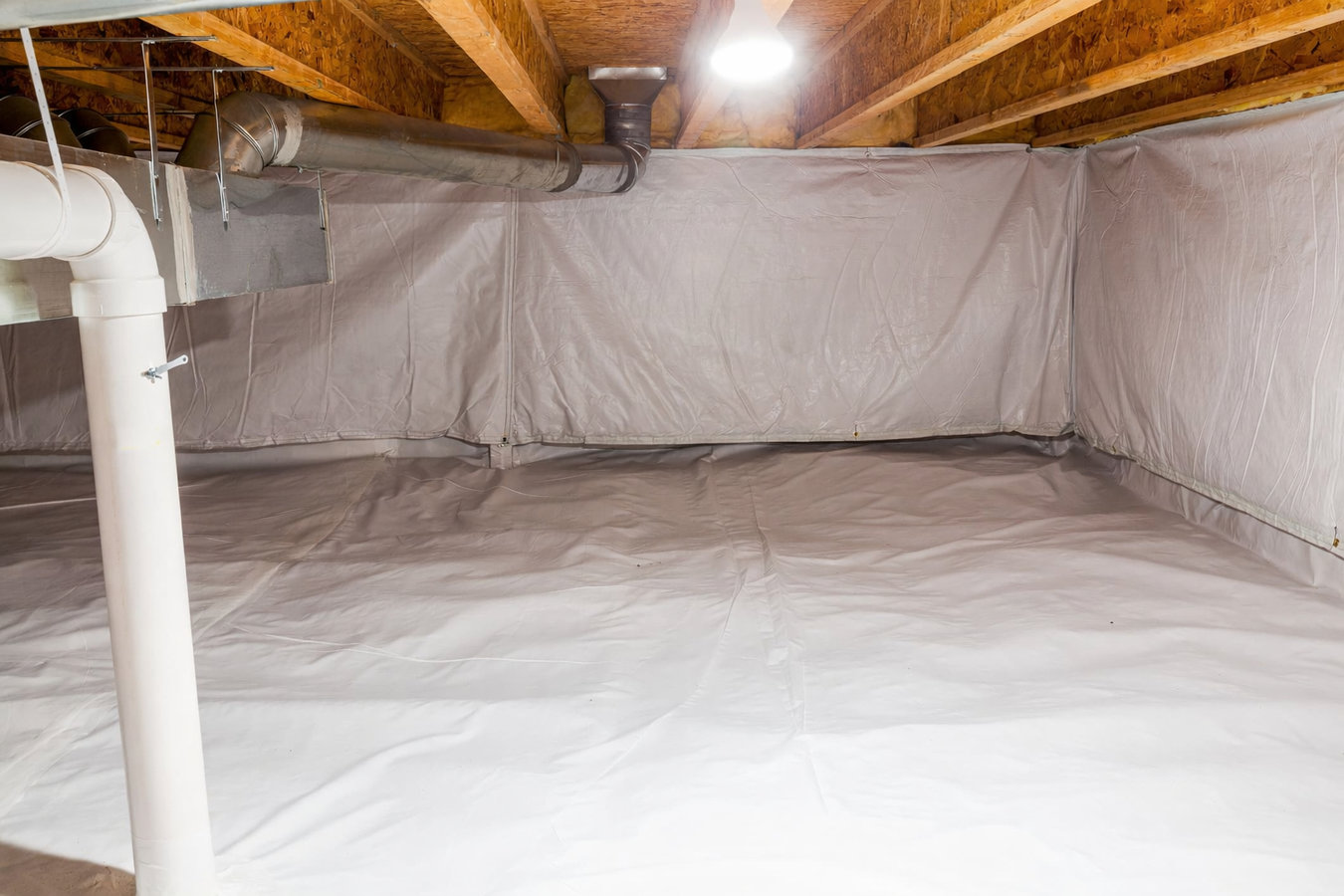
The two main approaches for crawl space insulation are floor joist insulation and full encapsulation. Floor joist insulation fits batts between the wooden beams that support your floors - a good fit for vented crawl spaces that do not have significant moisture problems. Encapsulation seals and insulates the crawl space walls and floor itself, which works better for unvented spaces or homes where moisture from the Snake River Plain's irrigation activity has been an issue. Some jobs also need a crawl space vapor barrier installed alongside or before the insulation to keep ground moisture from degrading the new material.
We assess your crawl space before recommending an approach - the right answer depends on whether yours is vented, how accessible it is, and what the moisture situation looks like. If there is existing insulation that has failed or been contaminated, we handle the removal first so you are starting with a clean slate. For homes that need a full re-insulation across multiple areas, we can coordinate crawl space work alongside attic or wall upgrades so you are not managing multiple contractors separately.
Batts are fitted between the floor joists above the crawl space - well suited for vented crawl spaces with no significant moisture issues.
The walls and floor of the crawl space are sealed and insulated rather than just the floor above - the right choice for unvented spaces or homes dealing with irrigation-season moisture.
For crawl spaces with standing water, condensation, or mold concerns, we address the moisture issue first, then install insulation that will hold up long-term.
Burley is in a heating-dominated climate - roughly six months of meaningful cold weather, with January lows dropping into the mid-teens and wind chills pushing it further. That is a lot of months where heat is trying to escape through every surface in your home, including the floor. A properly insulated crawl space is one of the highest-return upgrades you can make in this climate, because the savings show up on your Intermountain Gas or Rocky Mountain Power bill relatively quickly compared to more temperate parts of the country. The U.S. Department of Energy estimates that properly sealing and insulating can cut energy costs by up to 15 percent in many homes.
The irrigation-season moisture factor is the other local condition that makes this work especially important here. Burley sits in the Snake River Plain, surrounded by heavily irrigated farmland, and that raises soil moisture throughout the growing season. Homes near irrigation canals or in lower-lying areas can see elevated crawl space humidity from late spring through early fall - a condition that degrades insulation and encourages mold if the space is not properly sealed. We serve homeowners throughout the region, including Paul and Declo, where the same soil moisture and older housing conditions apply.
We ask a few basic questions about your home - size, access point, any problems you have noticed. We can usually schedule an on-site estimate within one business day.
A technician physically enters your crawl space - or uses a camera for very tight spaces - to check existing insulation, moisture levels, and pest activity. This visit is free and includes a plain-language walkthrough of what we found.
You receive a written estimate that breaks down scope and cost. We handle permit coordination if required by the City of Burley or Cassia County - permit fees are included in the project cost.
The crew works entirely under your home - your living space is not disrupted. When finished, we document the work with photos and walk you through what was installed, leaving a clear record for your own files or a future home sale.
Free on-site assessment, no pressure. We assess your crawl space, tell you honestly what we find, and give you a written estimate before any work begins.
(208) 679-8672Burley sits in climate zone 5B, which requires higher insulation resistance values than milder parts of the country. We size and install to the levels appropriate for your specific home and climate - not whatever is easiest to put in the truck.
The elevated ground moisture from the Snake River Plain's irrigation season is a local condition that catches a lot of homeowners off guard. We assess your crawl space for moisture risk before recommending any approach, and we tell you honestly if a vapor barrier needs to come first.
You cannot easily see inside your crawl space yourself, so we document the finished work with photos. You get a clear record of what was installed, where, and to what standard - useful for your own peace of mind and for any future home sale.
For jobs that require a building permit through Burley or Cassia County, we handle the application and coordinate the inspection. A permit means the work is officially verified - protecting you, not just the contractor.
Every crawl space we work on gets a thorough assessment before anything is installed. We account for local moisture conditions, Idaho climate zone requirements, and the age of your home - because the right approach here is not the same as it would be in a warmer, drier part of the country.
The U.S. Department of Energy insulation guide covers recommended R-values by climate zone and is a useful reference when comparing contractor recommendations. The North American Insulation Manufacturers Association also publishes installation quality standards you can use as an independent benchmark.
Reduce heat loss through exterior walls - a common companion upgrade after the crawl space is addressed.
Learn MoreA plastic ground cover that blocks irrigation-season moisture from rising into your crawl space and damaging new insulation.
Learn MoreCall today or submit a quick form - we respond within one business day and offer free crawl space assessments with no obligation to proceed.